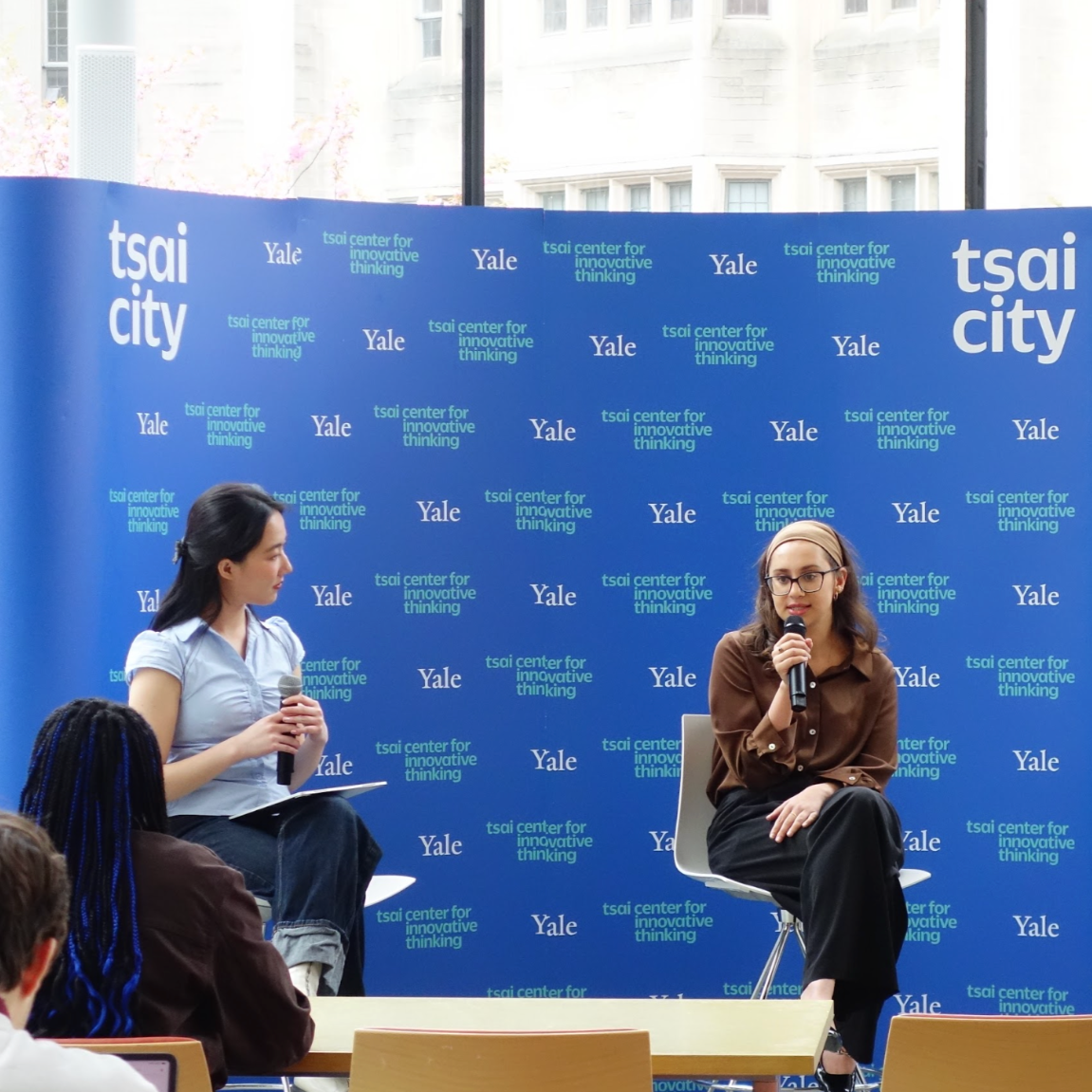
The Yale International Genetically Engineered Machine Team is an undergraduate-run research organization that designs and conducts projects in synthetic biology. We seek to conduct cutting-edge, publication-quality research that is motivated by real-world problems. We also explore the impact of our research and of synthetic biology as a field through community engagement.
Undergraduates from across Yale's schools and departments, united by a curiosity for synthetic biology.
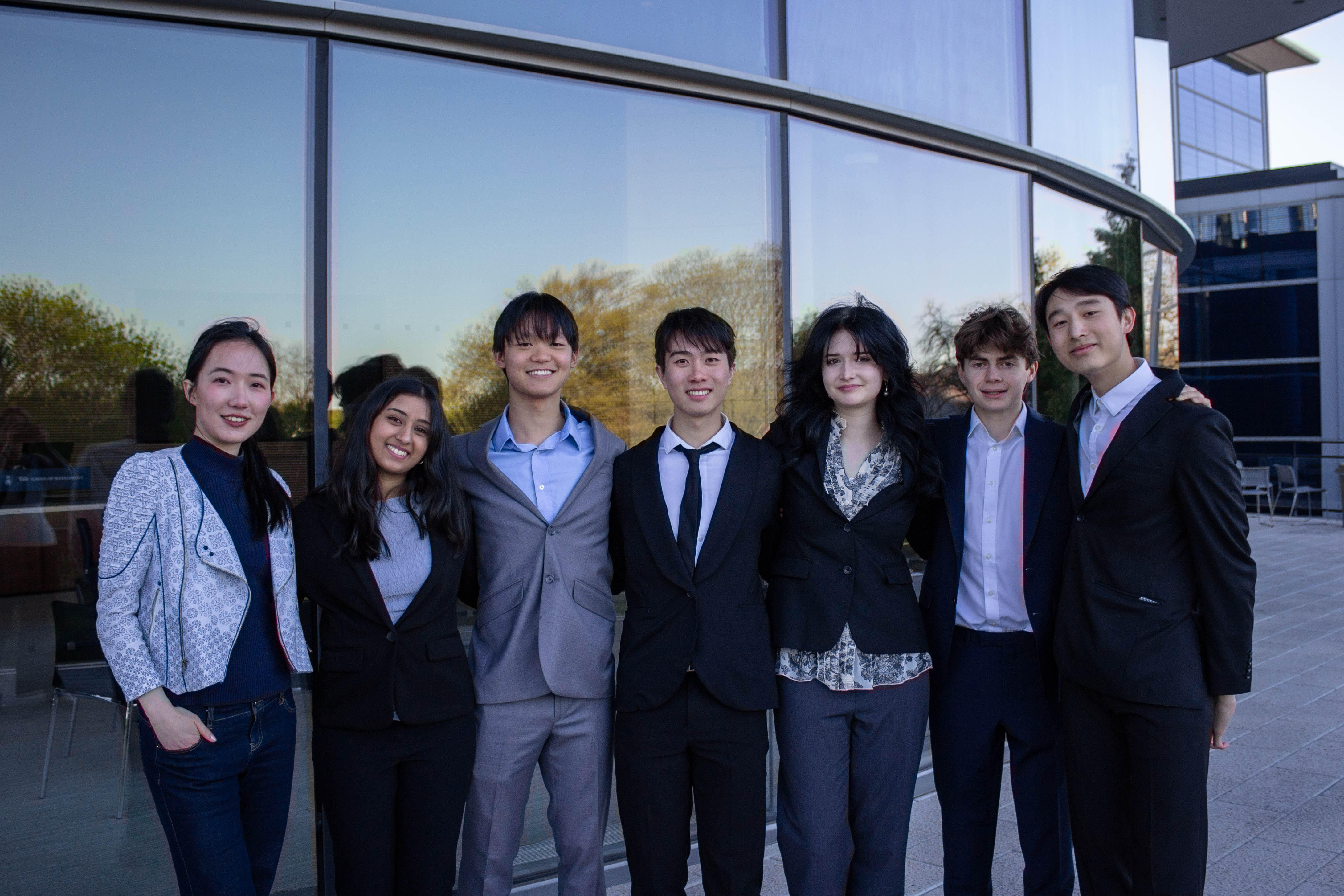
Our new members for the 2026–2027 project!
Placeholder — replace with headshot and bio.

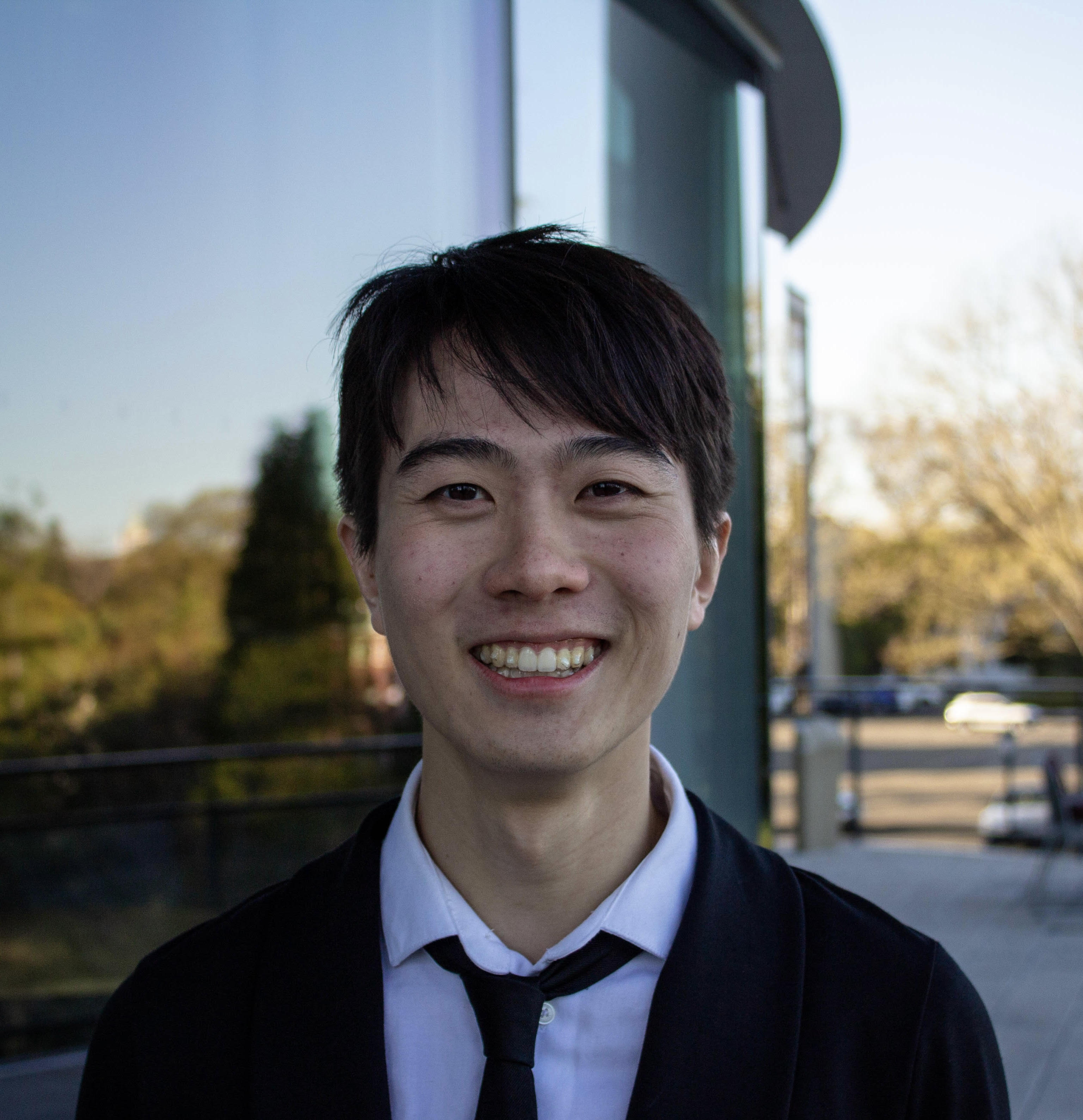

Campbell grew up in over a dozen cities across four continents, where a passion for problem-solving led her to pursue mechanical engineering as a means for bringing medical innovation to underserved communities. She's interested in bridging technology and medicine, and is channeling her background in robotics into synthetic biology research.
Placeholder — replace with headshot and bio.
Placeholder — replace with headshot and bio.
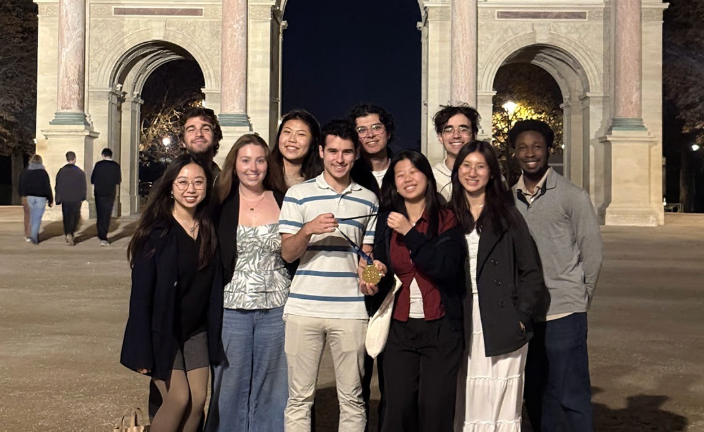
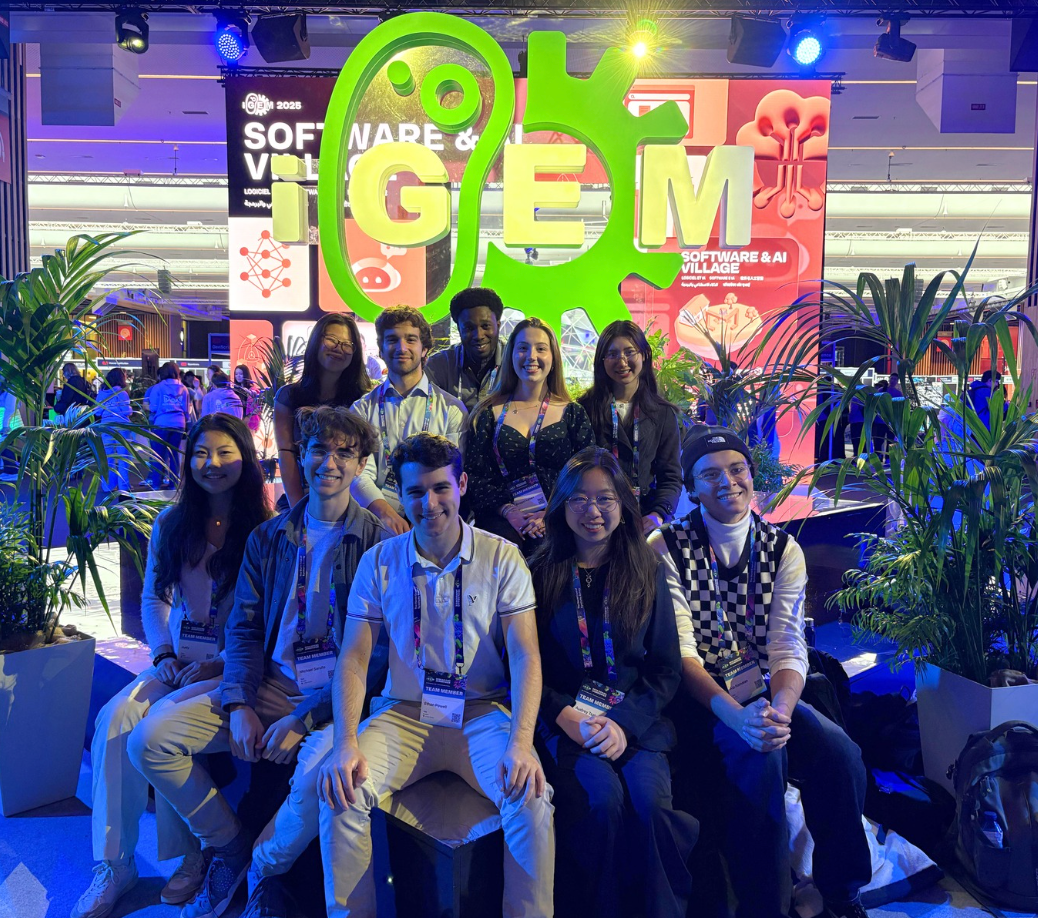
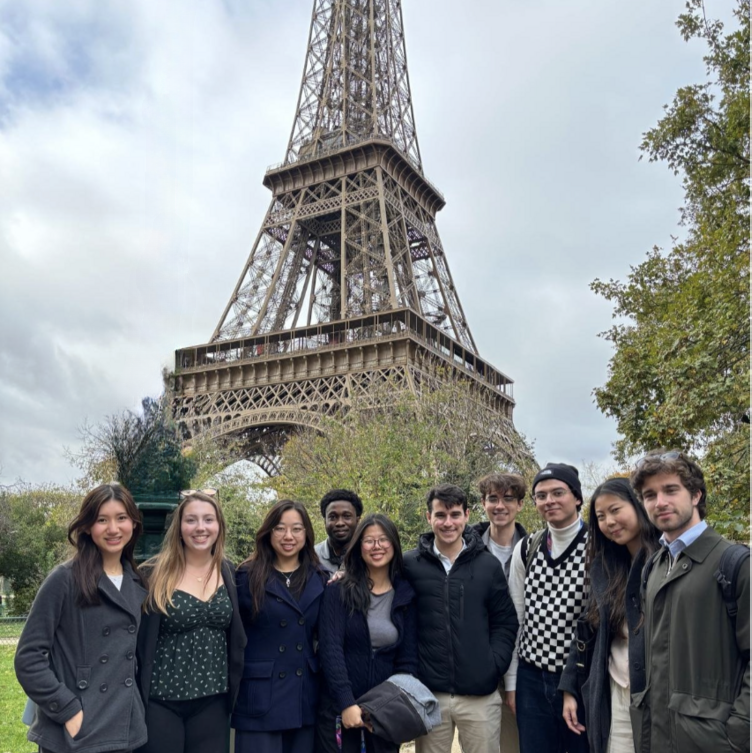
Each year, we tackle a new challenge at the frontier of synthetic biology, competing at the iGEM Jamboree in Paris.
Yale iGEM's most recent project, presented at the iGEM Grand Jamboree in Paris in October 2025. Visit the wiki for full details on our research, methodology, and results.
We engineered bacteria to convert daidzein, a soy-derived compound, into equol — a natural estrogen-mimicking molecule — to develop a safer, more accessible alternative to hormone replacement therapy for menopause.
We developed a novel cross-kingdom gene expression platform (CAD-SGE) to optimize the four-gene (S)-equol biosynthetic pathway across multiple host organisms, including E. coli Nissle and L. casei, for potential probiotic and industrial bioproduction applications targeting menopause treatment.
Yale iGEM is open to all undergraduates regardless of major or year. We look for students who are curious, collaborative, and eager to take on real research challenges. We recruit across three tracks each year.
Follow our journey from the bench to the iGEM Jamboree and our community outreach events.
Yale iGEM is funded through grants, university support, and the generosity of individuals who believe in student-led science. Your contribution goes directly toward lab supplies, conference travel, and community education programs.
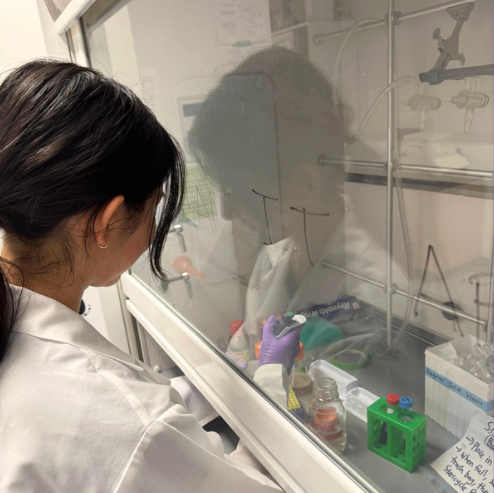
Make a Donation →Covers reagents and consumables for one month of wet lab experimentation.
Sends one student to the iGEM Grand Jamboree to present our research internationally.
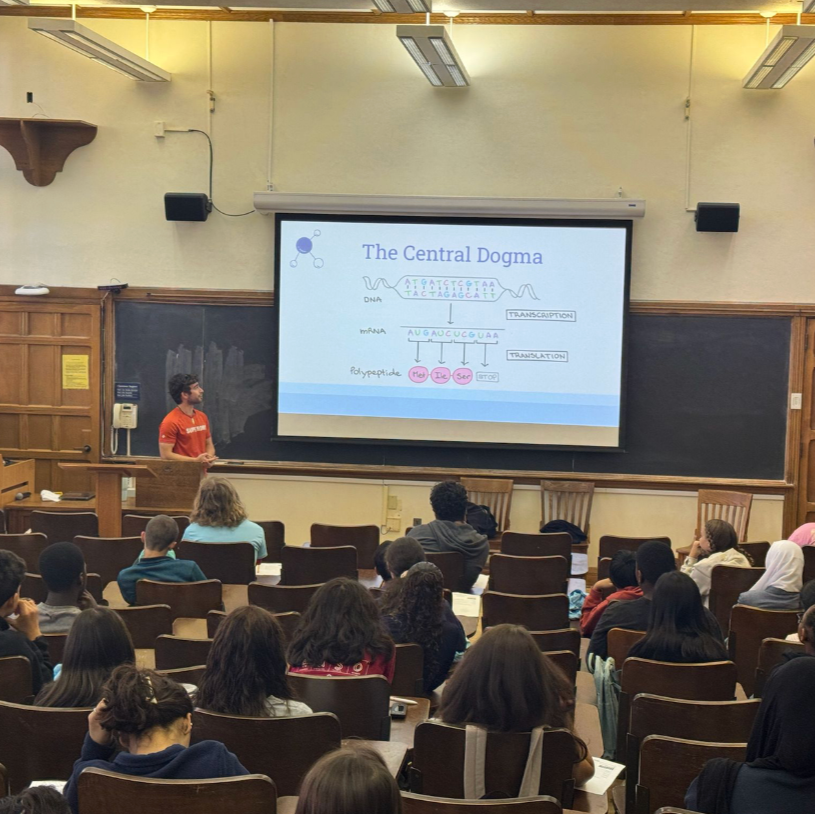
Funds a hands-on synthetic biology workshop for New Haven K–12 students.
Every contribution, however small, makes a meaningful difference to our team.